Navigating end-of-life care decisions involves open communication with your loved ones, understanding available care options, and documenting your wishes through advance directives. These conversations, while difficult, ensure care aligns with your personal values and provides clarity for you and other family members during emotional times.
What Are Advance Directives and Why Do You Need Them?
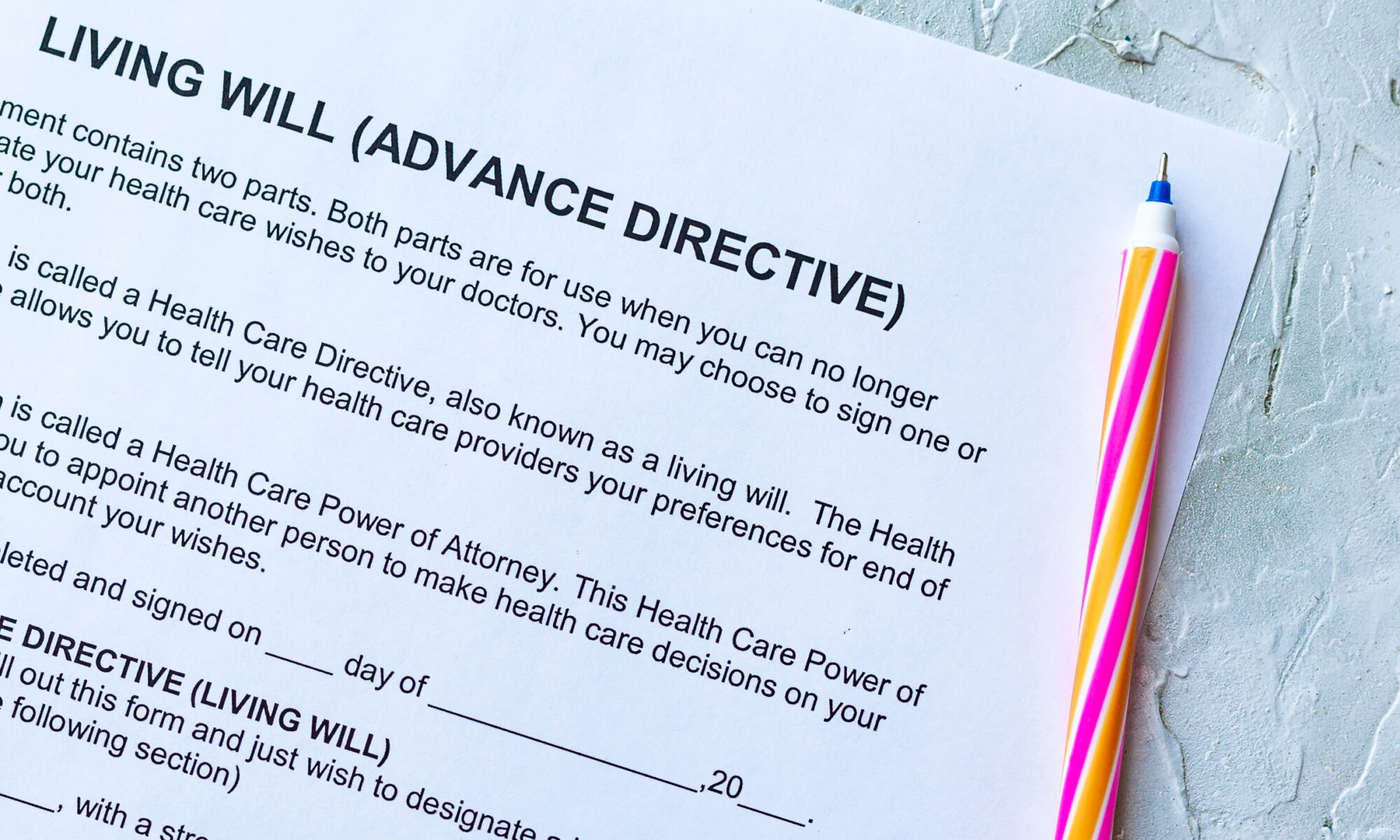
Advance directives are legal documents that outline your healthcare preferences if you become unable to communicate your wishes. They serve as a road map for family members and medical professionals, reducing uncertainty during critical moments.
The two main types include:
- Living will – Specifies which medical treatments you do or don’t want, such as life support, resuscitation, or feeding tubes
- Healthcare pow
Creating these documents early—ideally while you’re healthy—gives you time to thoughtfully consider your values without the pressure of a medical crisis.
Who Should Be Involved in End-of-Life Care Planning?
End-of-life care planning works best when it includes the people who matter most to you. Start by choosing a healthcare proxy—someone you trust to honor your wishes and make difficult decisions under stress.
Beyond your proxy, consider involving:
- Close family members who may be affected by care decisions
- Your primary care physician who understands your medical history
- A trusted spiritual advisor if faith plays a role in your values
- An attorney to ensure documents are legally valid in your state
Having multiple perspectives ensures nothing gets overlooked, but designate one person as your primary decision-maker to avoid confusion or conflict.
What Care Options Are Available at the End of Life?
Several care settings can support comfort and quality of life during a terminal illness. The right choice depends on your medical needs, personal preferences, and available resources.
Common options include:
- Hospice care – Focuses on comfort rather than cure, available at home or in a facility, typically for those with six months or less to live
- Palliative care – Manages symptoms and enhances quality of life at any stage of serious illness, even alongside curative treatment
- Home care – Allows you to remain in familiar surroundings with support from visiting nurses or caregivers
- Hospital care – Provides intensive medical intervention when aggressive treatment aligns with your goals
Each option offers different levels of medical support, so discuss what matters most to you, whether that’s pain management, maintaining independence, or spending time with family.
Living with serious health conditions can make it challenging for seniors to age in place. However, they can maintain a higher quality of life with the help of professional Richmond 24-hour care. Seniors can benefit from assistance with meal prep, bathing, transportation to the doctor’s office, medication reminders, and much more.
How Do You Communicate Your Wishes to Loved Ones?
Clear communication prevents misunderstandings and eases the burden on family members who may otherwise feel uncertain. Schedule a dedicated time to discuss your preferences without distractions or time pressure.
During these conversations:
- Explain your values and what gives your life meaning.
- Be specific about treatments you would or wouldn’t want.
- Share where you’d prefer to receive care.
- Address concerns or questions your loved ones might have.
- Revisit the conversation periodically as circumstances change.
Writing down key points after your discussion reinforces what was said and provides a reference for future decisions.
If your wishes include living at home as long as possible, it’s a good idea to plan ahead for the possibility you may need help with the activities of daily living. One of the most challenging tasks of aging in place safely and comfortably is researching agencies that provide home care. Families can turn to Assisting Hands Home Care for reliable, high-quality Richmond home care for aging adults. We offer 24-hour care for seniors who require extensive assistance, and we also offer respite care for family caregivers who need a break from their caregiving duties.
What Should You Do if Family Members Disagree?
Disagreements often stem from different interpretations of what’s best or emotional difficulty accepting a prognosis. Addressing conflict early prevents it from escalating during medical emergencies.
Strategies for managing disagreement include:
- Emphasizing decisions reflect your wishes, not what others want for you
- Inviting a neutral third party, such as a social worker or mediator, to facilitate discussion
- Reminding family members that respecting your autonomy is the priority
- Providing written documentation so your preferences are clear and legally binding
If conflict persists, your designated healthcare proxy has the legal authority to make decisions on your behalf according to your documented wishes.
It’s especially important to make these decisions yourself so your loved ones won’t be faced with making them for you if you develop Alzheimer’s or another form of dementia. Even when families have the best intentions, caring for a senior loved one with dementia can be challenging. Fortunately, Assisting Hands Home Care is here to help. We are a leading provider of dementia care Richmond families can trust. You can take advantage of our flexible and customizable care plans, and our caregivers always stay up to date on the latest developments in senior care. Call us today to discuss how we can give you the peace of mind that comes from knowing you or your loved one will be cared for with professionalism and compassion.
Frequently Asked Questions
When should I start planning for end-of-life care?
+
Start planning as soon as possible, ideally while you’re healthy and can think clearly about your preferences without the pressure of a medical crisis.
Can I change my advance directives after creating them?
+
Yes, you can update your advance directives at any time by completing new documents and distributing copies to your healthcare proxy and medical providers.
What happens if I don’t have advance directives?
+
Without advance directives, family members or the court may need to make medical decisions on your behalf, which can lead to conflict and decisions that don’t align with your values.
Is hospice care only for the final days of life?
+
No, hospice care is available to anyone with a terminal diagnosis and a life expectancy of six months or less, though many people benefit from enrolling earlier.
Do advance directives work in all states?
+
While most states recognize advance directives from other states, it’s best to create documents that comply with your state’s specific requirements and update them if you move.