Technology has transformed nearly every aspect of healthcare, and in-home care is no exception. From remote monitoring devices to AI-powered medication organization, digital innovations are making it easier for seniors to receive high-quality care in the comfort of their own homes while giving caregivers powerful tools to deliver better outcomes.
Remote Monitoring and Telehealth Solutions
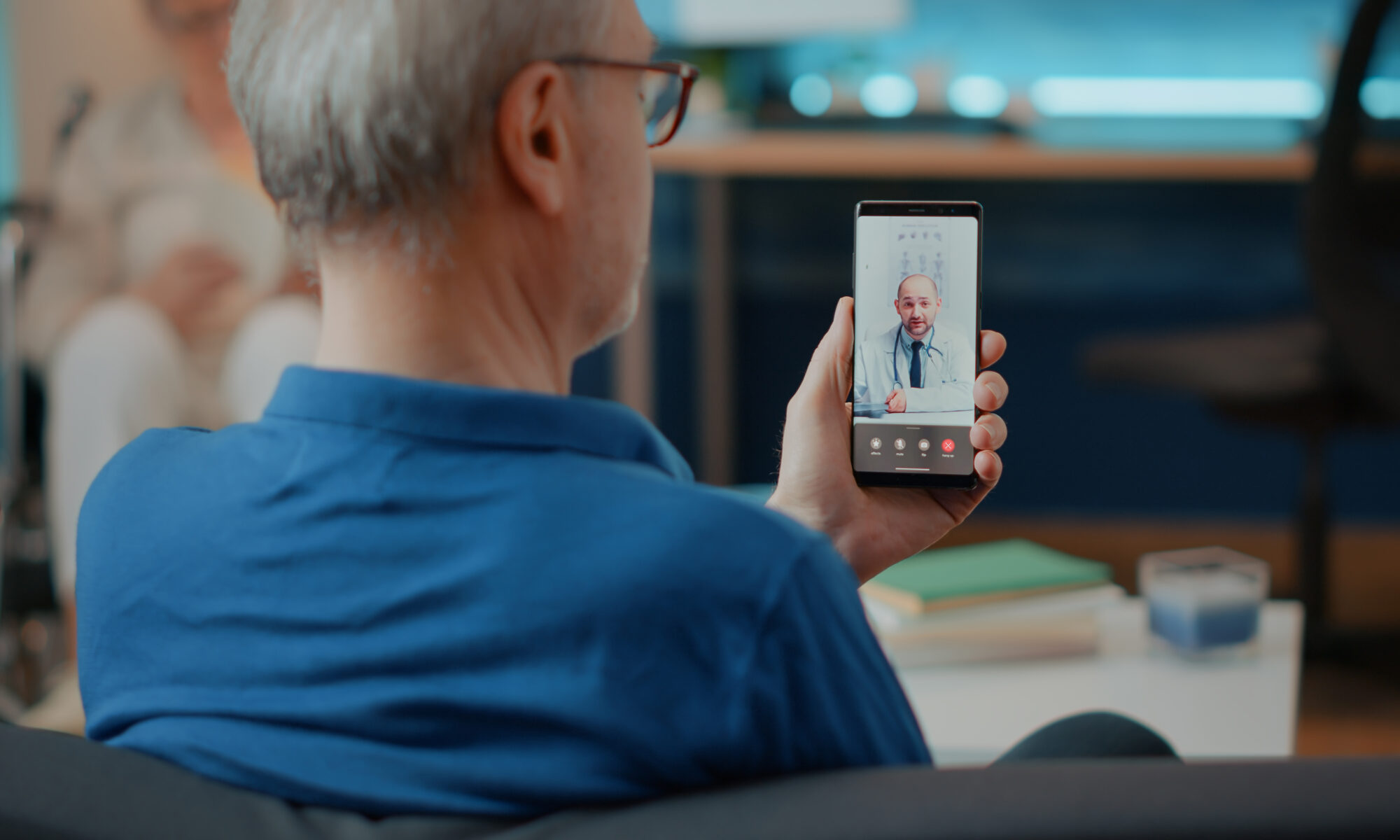
Remote monitoring technology allows healthcare providers to track vital signs and health metrics without being physically present. These systems use wearable devices, smart sensors, and mobile apps to collect real-time data on everything from heart rate and blood pressure to sleep patterns and activity levels.
Telehealth platforms have become essential tools for in-home care, enabling:
- Video consultations between patients and healthcare providers
- Real-time sharing of health data and test results
- Remote diagnosis and treatment adjustments
- Reduced need for hospital visits and emergency room trips
These technologies are particularly valuable for managing chronic conditions like diabetes, heart disease, and COPD, where continuous monitoring can prevent complications and hospitalizations.
One of the most challenging tasks of helping an elderly relative age in place safely and comfortably is researching agencies that provide home care. Richmond families can turn to Assisting Hands Home Care for reliable, high-quality home care Richmond for aging adults. We offer 24-hour care for seniors who require extensive assistance, and we also offer respite care for family caregivers who need a break from their caregiving duties.
Smart Medication Organization Systems
Medication errors are a leading cause of preventable health complications, especially among elderly individuals taking multiple prescriptions. Smart medication organization systems address this challenge through automated dispensing devices and digital tracking tools.
Modern medication organization solutions include:
- Smart pill dispensers that release medications at prescribed times
- Mobile apps that send medication reminders and track adherence
- Digital pill bottles with sensors that monitor when medications are taken
- Automated refill systems that coordinate with pharmacies
These systems not only support medication compliance but also provide caregivers and family members with real-time updates on their loved ones’ medication adherence.
Emergency Response and Safety Technology
Safety concerns are often the primary reason families consider moving elderly relatives to assisted living facilities. However, modern emergency response technology can provide peace of mind while allowing seniors to maintain their independence at home.
Emergency response systems now feature
- Wearable devices with fall detection and GPS tracking
- Smart home sensors that monitor daily activity patterns
- Voice-activated emergency calling systems
- Integration with local emergency services and family notifications
These technologies can detect emergencies before they become life-threatening situations, automatically alerting caregivers or emergency responders when assistance is needed.
Living independently is important for seniors who want to maintain a high quality of life. For some, this simply means receiving help with tasks that have become more challenging to manage over time. Even when families have the best intentions, they may not have the time to provide the care their elderly loved ones need and deserve. If your loved one needs help for a few hours a day or a few days a week, reach out to Assisting Hands Home Care, a trusted provider of respite care Richmond seniors can depend on.
Electronic Health Records and Care Coordination
Effective in-home care requires seamless communication among multiple healthcare providers, family members, and professional caregivers. Electronic health records (EHR) systems designed for home care streamline this coordination by providing a centralized platform for all care-related information.
Digital care coordination tools offer:
- Real-time updates on patient status and care plans
- Secure messaging among care team members
- Scheduling and task management for multiple caregivers
- Integration with insurance systems for billing and documentation
- Mobile access for caregivers working in the field
This technology ensures everyone involved in a senior’s care has access to the most current information, reducing miscommunication and enhancing care quality.
Artificial Intelligence and Predictive Analytics
AI-powered systems are beginning to play a significant role in predicting health events before they occur. By analyzing patterns in patient data, these systems can identify early warning signs of health deterioration and alert caregivers to take preventive action.
Predictive analytics applications include:
- Identifying those at risk for falls or medical emergencies
- Predicting medication side effects or drug interactions
- Analyzing behavior patterns to detect cognitive decline
- Optimizing care plans based on individual responses
As these technologies continue to evolve, they promise to make in-home care more proactive rather than reactive, potentially preventing serious health events before they occur.
When it comes to in-home care, using technology can work wonders. However, it’s best not to forget the benefits of hiring professional caregivers. Certain age-related conditions can make it more challenging for seniors to age in place safely and comfortably, but Richmond live-in care experts are available around the clock to help seniors manage their health. At Assisting Hands Home Care, we take measures to help seniors prevent illness and injury by assisting with exercise and mobility, preparing nutritious meals, helping with bathing and other personal hygiene tasks, and much more. For more information about our flexible, customizable home care plans, call one of our compassionate Care Managers today.