You can prevent falls while providing dementia care by removing tripping hazards, improving home lighting, and encouraging safe daily movements. Creating a secure environment greatly reduces the physical risks associated with cognitive decline. By making a few simple adjustments to the living space, you can ensure a safer daily routine for a senior loved one with dementia.
What Environmental Changes Reduce Fall Risks?
Modifying the physical environment is the most effective way to stop accidents before they happen. You can start by clearing walkways of clutter and securing loose items that might shift underfoot.
- Remove all throw rugs or secure them permanently with double-sided tape.
- Keep electrical cords tucked away behind heavy furniture.
- Arrange tables and chairs to create wide, clear paths for walking.
One of the most challenging tasks of helping an elderly relative age in place safely and comfortably is researching agencies that provide home care. Families can turn to Assisting Hands Home Care for reliable, high-quality Richmond home care for aging adults. We offer 24-hour care for seniors who require extensive assistance, and we also offer respite care for family caregivers who need a break from their caregiving duties.
How Does Lighting Impact Safety for Dementia Patients?
Proper lighting helps individuals with dementia see obstacles clearly and reduces confusion caused by shadows. Aging eyes need more light, and cognitive challenges make it harder to process complex visual information.
- Install bright, glare-free bulbs in all commonly used rooms.
- Add automatic motion-sensor nightlights in the bedroom, hallway, and bathroom.
- Keep curtains and blinds open during the day to maximize natural sunlight.
Why Is Proper Footwear Important for Fall Prevention?
Wearing the right shoes provides essential stability and grip on smooth indoor surfaces like wood or tile. Bare feet and slippery socks easily lead to accidental slips and a sudden loss of balance.
- Provide comfortable shoes with nonskid rubber soles for indoor use.
- Avoid slippers with open backs that can easily slide off the feet.
- Ensure shoes fit well and securely fasten with Velcro rather than difficult laces.
How Can Bathroom Modifications Increase Daily Safety?
The bathroom is one of the most hazardous rooms in the house due to wet surfaces and hard fixtures. Upgrading this space directly limits the chances of a dangerous slip during personal care routines.
- Place heavy-duty nonslip mats inside and outside the shower or bathtub.
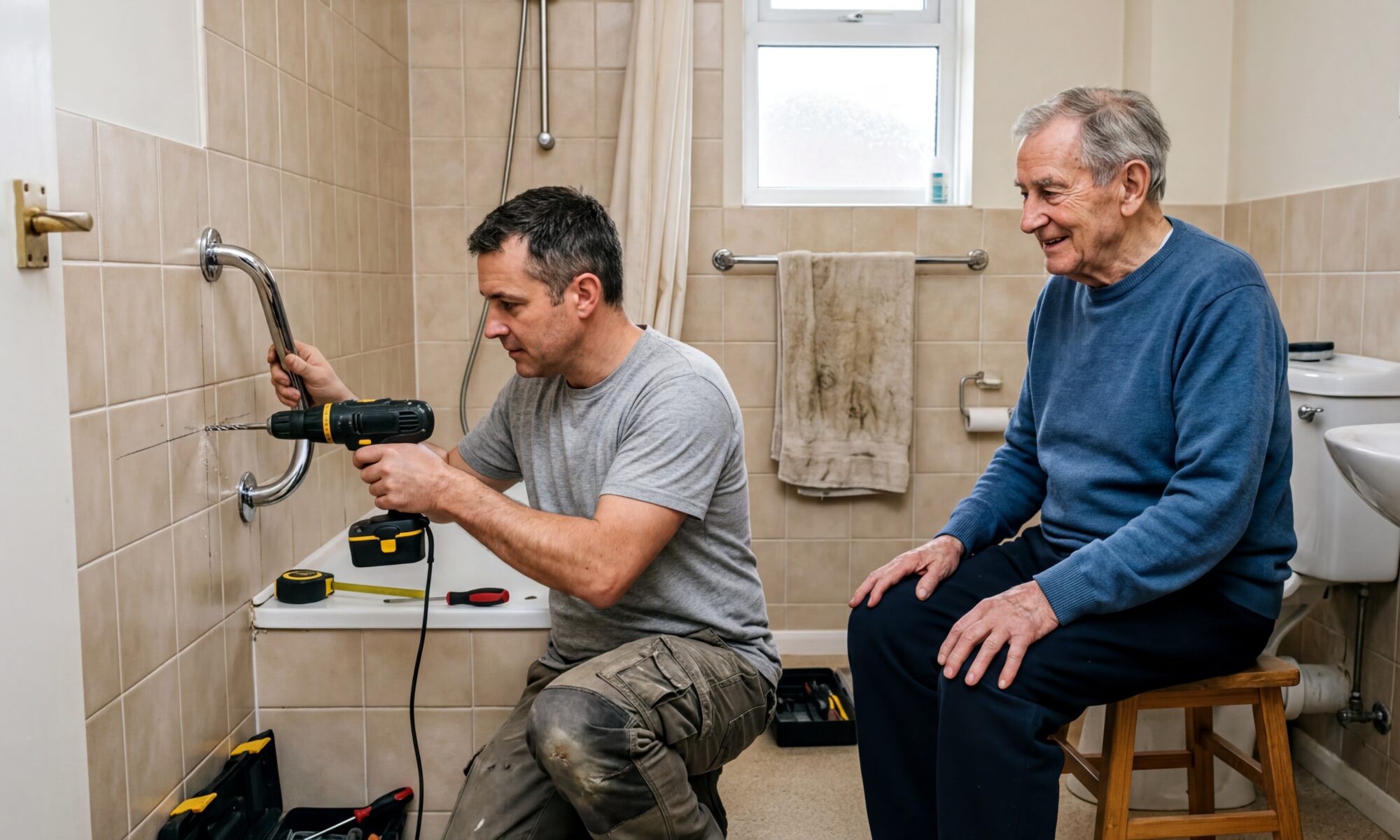
- Install sturdy grab bars securely to the wall near the toilet and shower entrance.
- Use a stable shower chair to allow for safe seated bathing.
Certain age-related conditions can make it more challenging for seniors to age in place safely and comfortably, but 24-hour home care experts are available around the clock to help Richmond seniors manage their health. Whether your loved one is living with dementia or recovering from a stroke, you can trust the professional caregivers from Assisting Hands Home Care to enhance his or her quality of life. At Assisting Hands Home Care, we take measures to help seniors prevent illness and injury by assisting with exercise and mobility, preparing nutritious meals, helping with bathing and other personal hygiene tasks, and much more.
Caring for seniors with dementia can be challenging for family caregivers. Luckily, there is high-quality dementia home care available for Richmond seniors and their families. Professional dementia caregivers help seniors with dementia stay safe and comfortable at home by preventing wandering, providing cognitive stimulation, and assisting with household chores. If you need professional home care for your loved one, our Care Managers are just a phone call away. Reach out to Assisting Hands Home Care today.
Frequently Asked Questions
How do vision changes in dementia increase fall risks?
+
Dementia alters depth perception and contrast sensitivity, making it hard to judge steps or see objects on the floor. This visual confusion often leads to missteps and sudden falls.
Should I limit my loved one’s walking to prevent falls?
+
No. Encouraging regular safe movement actually helps seniors maintain core muscle strength and balance. It’s better to create a secure hazard-free walking path than to restrict mobility entirely.
What types of clothing can prevent tripping?
+
Properly hemmed pants and dresses prevent the fabric from catching under the heels while walking. Avoid excessively loose or long garments that drag on the floor during movement.
How does floor color affect fall risk for someone with dementia?
+
Dark floor mats or sudden changes in floor color can look like holes or steps to someone with cognitive decline. Using solid consistent colors reduces visual confusion and hesitation while walking.